The Engineering Behind Reliable Dedicated Outdoor Air Systems for Critical Environments
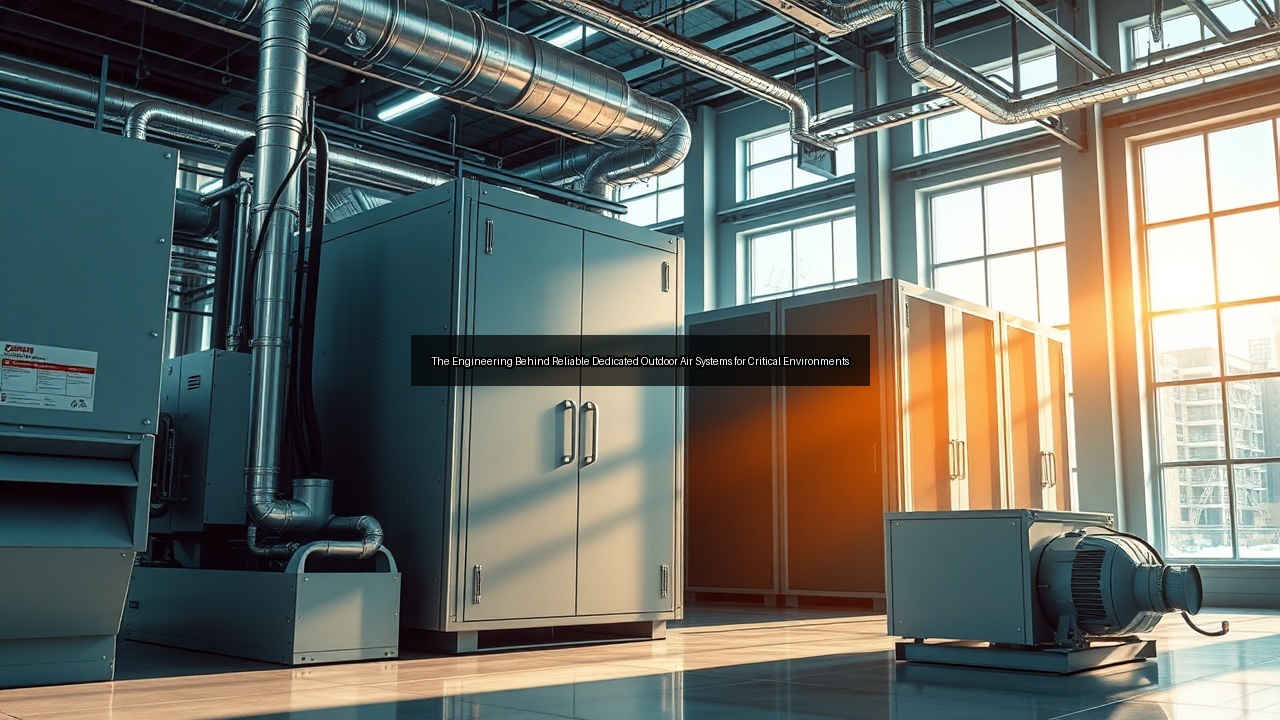
Understanding Dedicated Outdoor Air Systems (DOAS)
Definition and Purpose of DOAS
Dedicated outdoor air system units deliver precise volumes of conditioned outdoor air to spaces that demand strict environmental control. Engineers design these systems to handle 100 percent outdoor air loads without mixing return air from the building. This approach isolates ventilation from recirculation and supports applications that require independent humidity and temperature management. A dedicated outdoor air system maintains positive pressure in critical zones while removing contaminants before they enter occupied or equipment areas. Facilities rely on this separation to achieve consistent air quality levels that standard mixed-air setups cannot deliver reliably. The purpose centers on decoupling ventilation from sensible cooling so that each function operates at peak efficiency without compromise.
Key Components of a Dedicated Outdoor Air System
Every dedicated outdoor air system contains energy recovery wheels, high-efficiency filters, cooling coils, heating elements, and variable-speed fans. Engineers integrate enthalpy wheels to transfer heat and moisture between incoming and exhaust airstreams. UV lights and carbon filters address biological and chemical contaminants in the outdoor air stream. Control valves modulate chilled water or refrigerant flow to maintain exact supply temperatures. Dampers and airflow sensors provide real-time feedback that allows the system to adjust to changing outdoor conditions. These components work together to deliver clean, dry air at the required volume while protecting downstream equipment from corrosion or fouling.
How DOAS Differs from Traditional Air Systems
Traditional air systems blend return air with outdoor air and condition the mixture for both ventilation and temperature control. A dedicated outdoor air system processes only outdoor air and supplies it at a neutral or slightly conditioned state. This separation lets cooling equipment focus solely on sensible loads from people, lights, and electronics. Traditional setups often struggle with humidity control when outdoor air volumes increase. DOAS units maintain dew-point control independently, which prevents moisture-related issues in sensitive environments. The design reduces the size of central air handlers and improves overall system reliability by eliminating cross-contamination paths.
Engineering Considerations for Reliability
Critical Design Elements for DOAS
Engineers select corrosion-resistant materials and redundant fans to ensure continuous operation in demanding conditions. Proper sizing of coils and energy recovery devices prevents excessive pressure drops that reduce airflow. Redundant power feeds and variable-frequency drives maintain performance during partial outages. Designers incorporate access doors and service platforms that allow quick filter changes without system shutdown. These elements directly influence long-term reliability because they address both mechanical stress and maintenance accessibility. Accurate load calculations that account for extreme weather events further strengthen the overall engineering approach.
Calibration Techniques for Optimal Performance
Technicians calibrate airflow sensors, humidity transmitters, and temperature probes at regular intervals to keep the dedicated outdoor air system operating within design tolerances. They use reference instruments traceable to national standards during each session. Calibration routines verify that damper actuators respond correctly to control signals and that energy recovery wheels maintain expected effectiveness. Software-based trending identifies drift before it affects air quality. Consistent calibration reduces energy waste and extends component life by preventing over- or under-conditioning of the outdoor air stream.
Factors Influencing Reliability in DOAS
Outdoor air quality, seasonal temperature swings, and filter loading rates all affect system reliability. High particulate levels accelerate filter changes and increase fan energy. Coastal installations require additional corrosion protection on coils and cabinets. Proper commissioning verifies that every sensor and actuator matches the control sequence before handover. Ongoing monitoring through building automation systems catches deviations early. Companies that implement predictive maintenance programs report fewer unplanned outages and longer equipment life across their outdoor air systems.
Applications of Dedicated Outdoor Air Systems
DOAS in Data Centers: Ensuring Server Efficiency
Data centers deploy dedicated outdoor air systems to deliver clean, dry air directly to rackmount servers. Precise humidity control prevents static discharge and condensation on sensitive electronics. The systems operate independently from the main air conditioning loops, allowing operators to raise chilled water temperatures and improve overall efficiency. Redundant outdoor air paths ensure continuous ventilation even during maintenance. This engineering strategy supports higher rack densities while protecting uptime metrics that define facility performance.
Utilization in Oil and Gas Industries
Oil and gas facilities use dedicated outdoor air systems in control rooms and analyzer shelters to protect personnel from hydrocarbon vapors and corrosive gases. The systems maintain positive pressure and filter incoming air to meet strict safety codes. Explosion-proof motors and spark-resistant construction address hazardous area requirements. Reliable ventilation supports continuous operation of critical instrumentation without shutdowns. These applications demonstrate how dedicated outdoor air system designs adapt to extreme process environments.
Impact on Air Quality in Critical Environments
Critical environments such as laboratories and clean manufacturing zones depend on dedicated outdoor air systems to dilute and remove airborne contaminants. The systems deliver filtered air at rates that exceed minimum code requirements. Continuous monitoring of carbon dioxide and particulate levels confirms that ventilation remains effective. By decoupling outdoor air delivery from recirculation, facilities achieve lower infection risk and better product yields. The resulting air quality improvements directly support regulatory compliance and operational excellence.
Managing Air Quality with DOAS
The Role of Ozone in Air Quality Control
Some dedicated outdoor air system designs incorporate ozone generators or catalytic converters to neutralize odors and volatile organic compounds. Engineers must balance ozone output with safe exposure limits inside occupied spaces. Proper placement of sensors ensures rapid detection if levels rise unexpectedly. When integrated correctly, ozone treatment enhances the overall air quality strategy without creating secondary pollutants. Regular verification confirms that the process remains within acceptable parameters for each application.
Carbon Dioxide Levels and Their Monitoring
Carbon dioxide sensors mounted in return and supply ducts provide continuous feedback on ventilation effectiveness. A dedicated outdoor air system uses these readings to modulate outdoor air volume and maintain target concentrations below 800 parts per million. Real-time trending allows operators to spot occupancy changes or filter restrictions before they affect occupants. Accurate carbon dioxide management supports both energy efficiency and occupant comfort while meeting indoor air quality standards.
Interface Between DOAS and Air Conditioning Systems
The interface between a dedicated outdoor air system and central air conditioning equipment requires coordinated control sequences. Supply air from the outdoor air unit enters the space at neutral temperature so that terminal units handle only sensible loads. Communication protocols allow the building automation system to stage equipment and prevent simultaneous heating and cooling. Proper commissioning of this interface eliminates short cycling and improves overall reliability. Facilities that optimize this connection report measurable reductions in total energy consumption.
Cost and Efficiency of Dedicated Outdoor Air Systems
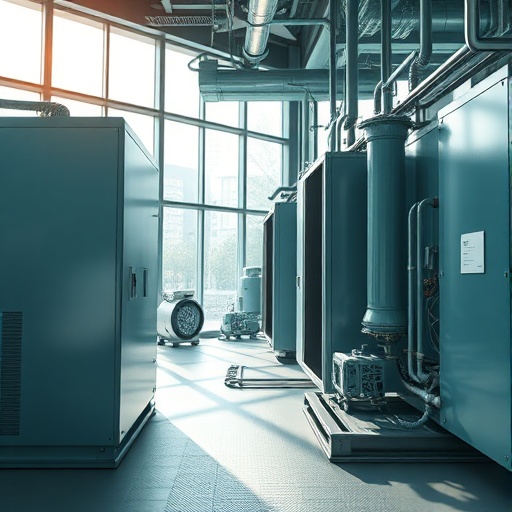
Evaluating the Cost-Benefit of DOAS
Initial capital costs for a dedicated outdoor air system exceed those of conventional setups, yet lifecycle analysis reveals substantial operational savings. Reduced fan energy, lower filter consumption in recirculation paths, and extended equipment life offset the upfront investment. Facility managers calculate payback periods using actual utility data and maintenance records. When reliability improvements prevent even one production interruption, the financial justification becomes clear across most critical applications.
Three Phase Power Considerations for DOAS
Three phase power supplies deliver smooth operation to large motors and compressors in dedicated outdoor air systems. Balanced voltage prevents overheating and extends motor life under continuous duty. Engineers specify soft starters or variable frequency drives to limit inrush current and reduce mechanical stress during startup. Proper grounding and surge protection further safeguard the electrical interface. These power considerations directly influence both reliability and long-term cost of ownership.
Long-Term Savings Through Improved Reliability
Improved reliability in dedicated outdoor air systems translates into fewer service calls and reduced downtime. Predictive maintenance programs that monitor vibration, pressure drop, and motor current detect issues before failure occurs. Over a ten-year horizon, facilities typically recover the added engineering investment through lower repair costs and sustained air quality performance. The combination of robust design, regular calibration, and coordinated controls creates measurable value that compounds each year of operation.
See Also
- Dedicated Outdoor Air Systems and Their Impact on Server Room Climate Control
- The Role of Dedicated Outdoor Air Systems in Reducing Indoor Carbon Dioxide Levels
- Innovative Applications of Dedicated Outdoor Air Systems in the Oil and Gas Industry
- Cost-Effective Solutions for Implementing Dedicated Outdoor Air Systems in Your Facility