Elevating Motion Stability with Advanced Dynamic Balancing Techniques
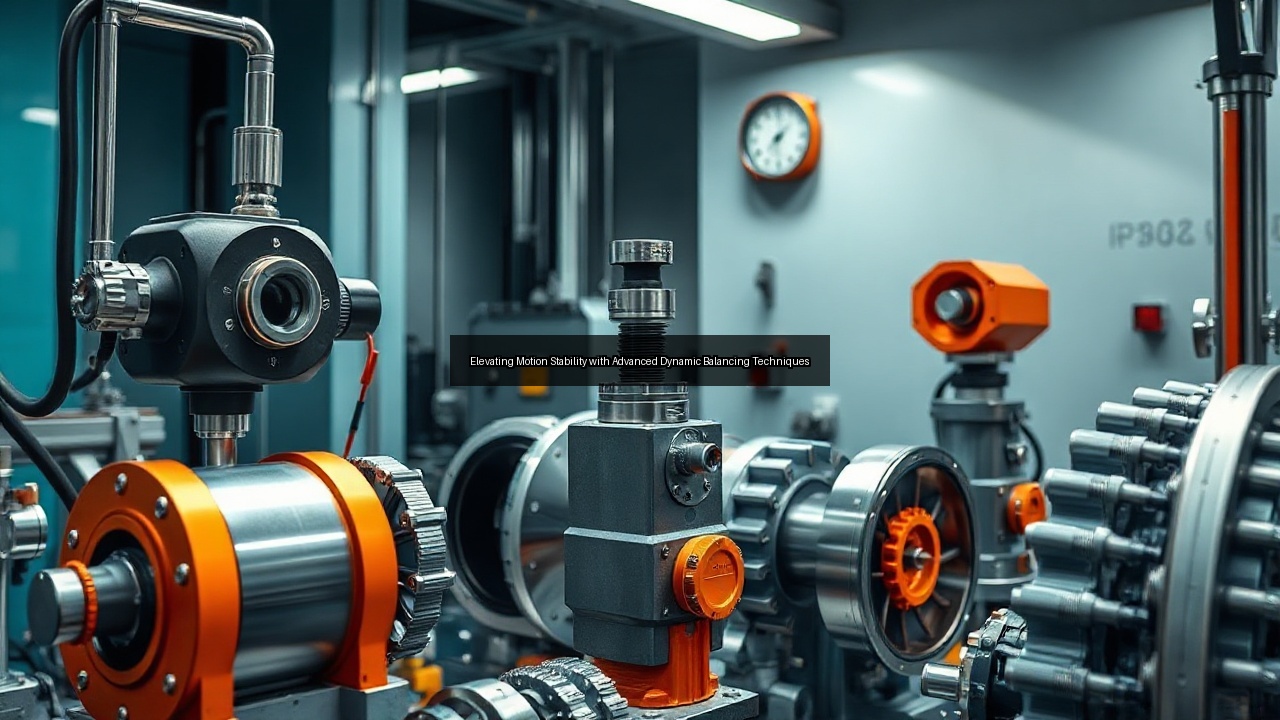
Understanding Dynamic Balancing Techniques
The Importance of Motion Stability
Motion stability plays a crucial role in the performance and longevity of machinery. When components like rotors or gears operate without proper balance, they can generate excessive vibration, leading to wear and tear. This instability not only reduces efficiency but can also result in catastrophic failures over time. Effective dynamic balancing techniques ensure that equipment functions smoothly, which is essential in applications ranging from gas turbines to electric motors. By maintaining a balanced motion, engineers can enhance reliability, minimize maintenance costs, and improve overall productivity. The need for stability transcends various industries, highlighting the importance of investing in robust dynamic balancing services.
Key Principles of Dynamic Balancing
Dynamic balancing revolves around the concept of weight distribution throughout a rotating system. The primary goal is to achieve uniform motion by ensuring that the center of mass aligns with the axis of rotation. Engineers leverage principles such as mass distribution, rotational speed, and the geometry of components to mitigate imbalances. The use of precise instrumentation during the calibration process allows for accurate assessments of balance and vibration levels. Techniques like static and dynamic balancing can be employed, with dynamic balancing offering superior results in high-speed applications. Understanding these principles is vital for engineers to design and maintain efficient machinery that operates smoothly under various conditions.
Common Applications in Engineering
Dynamic balancing finds extensive application in engineering, particularly in the design and maintenance of rotating equipment. Industries such as aerospace, automotive, and manufacturing rely on dynamic balancing services to enhance performance and reduce operational risks. Gas turbines, for instance, require meticulous balancing to withstand the high rotational speeds encountered during operation. Additionally, motors and generators benefit from dynamic balance adjustments to minimize vibrations that could lead to premature failure. Flywheels also play a significant role in stabilizing motion, making their proper balance integral to energy storage systems. Through diligent application of dynamic balancing techniques, engineers can optimize machinery performance across diverse sectors.
Advanced Dynamic Balancing Methods
Dynamic Balancing Services for Motors
Dynamic balancing services tailored for motors ensure operational efficiency and longevity. Electric motors, often found in various applications, must maintain precise balance to function optimally. Imbalances can result in increased vibrations, leading to overheating and potential damage. Professional dynamic balancing services utilize specialized tools and techniques, including advanced instrumentation, to assess the balance of motor components. By implementing corrective measures, such as adding or removing weight, technicians achieve the desired specifications. Regular maintenance and dynamic balancing adjustments can significantly enhance motor performance, reduce energy consumption, and extend the lifespan of these critical devices.
Utilizing Flywheels for Enhanced Stability
Flywheels serve as effective devices for enhancing motion stability in dynamic systems. These rotating masses store kinetic energy, helping to smooth out fluctuations in motion. The design of flywheels allows them to absorb excess energy during operation, which is particularly beneficial in applications involving variable loads. By ensuring that the flywheel is dynamically balanced, engineers can minimize vibrations and improve overall system performance. In power generation, for instance, balanced flywheels contribute to the stability of gas turbines during operation. The integration of flywheels into dynamic balancing strategies demonstrates a holistic approach to achieving optimal machinery performance.
Calibration and Quality Assurance Practices
Calibration and quality assurance are fundamental to effective dynamic balancing methods. Engineers employ rigorous calibration practices to ensure that instruments used in balancing processes yield accurate results. This involves regular checks against established standards, such as those set by ISO 9001, to maintain quality throughout the dynamic balancing service. The integration of nondestructive testing techniques during the inspection phase enables technicians to identify potential issues without compromising the integrity of components. Continuous quality assurance practices not only enhance the reliability of the balancing process but also instill confidence in the performance of machinery across various sectors.
Inspection and Certification in Dynamic Balancing
Nondestructive Testing Techniques
Nondestructive testing (NDT) techniques are invaluable in the dynamic balancing process. These methods allow for the examination of materials and components without causing damage, ensuring that the integrity of the machinery remains intact. Common NDT methods include ultrasonic testing, magnetic particle testing, and dye penetrant testing. In dynamic balancing services, NDT plays a pivotal role in identifying imbalances, structural defects, or material inconsistencies in rotors and other rotating elements. By incorporating NDT into routine inspections, engineers can proactively address potential issues before they escalate, ultimately enhancing the reliability and safety of equipment.
Thermography in Motion Analysis
Thermography is an advanced technique used in motion analysis to detect imbalances and overheating in mechanical systems. This non-invasive method employs thermal imaging to visualize temperature distributions across components, providing valuable insights into operational efficiency. In dynamic balancing services, thermography helps pinpoint areas of excessive friction or wear, allowing engineers to implement targeted adjustments. By monitoring temperature changes, technicians can assess the effectiveness of dynamic balancing adjustments and ensure that machinery operates within optimal thermal limits. The integration of thermography into dynamic balancing practices enhances overall system performance and reliability.
ISO 9001 Standards for Dynamic Balancing Services
Adherence to ISO 9001 standards is essential for dynamic balancing services, ensuring quality management and continuous improvement. ISO 9001 provides a framework for organizations to dynamic balance of motors enhance customer satisfaction through effective quality assurance practices. For dynamic balancing services, compliance with these standards guarantees that processes, from calibration to inspection, meet established quality benchmarks. This certification not only bolsters the credibility of the service provider but also assures clients of the reliability and effectiveness of the balancing solutions offered. By prioritizing ISO 9001 compliance, companies can foster trust and enhance their reputation within the industry.
Impact of Dynamic Balancing on Equipment Performance
Effects on Gas Turbines and Rotors
Dynamic balancing significantly affects the performance of gas turbines and rotors. Imbalance in these components can lead to excessive vibrations, resulting in mechanical failure and reduced efficiency. By employing dynamic balancing techniques, engineers can ensure that gas turbines operate smoothly, leading to enhanced fuel efficiency and lower emissions. Properly balanced rotors reduce wear on bearings and other critical components, extending the lifespan of the equipment. Regular dynamic balancing adjustments are essential for maintaining optimal performance in these high-stakes applications, underscoring the necessity of professional dynamic balancing services.
Vibration Reduction Techniques
Vibration reduction techniques play a vital role in enhancing equipment performance. Excessive vibration can cause significant damage to machinery, leading to costly repairs and downtime. Engineers utilize various methods to mitigate vibrations, including the implementation of dynamic balancing techniques, isolators, and dampers. By identifying the source of vibrations, professionals can make informed adjustments to restore balance and stability. Advanced dynamic balancing services incorporate cutting-edge technology to monitor vibrations in real-time, allowing for immediate corrective actions. These proactive measures not only improve the reliability of equipment but also contribute to a safer working environment.
Dynamic Balancing Adjustments for Gear Systems
Dynamic balancing adjustments for gear systems are crucial for ensuring smooth operation and reducing vibrations. Gears are integral to many mechanical systems, and imbalances can lead to misalignment, increased wear, and eventual failure. Engineers must assess the weight and shape of gear components to achieve optimal balance. Regular dynamic balancing services help identify and rectify imbalances, enhancing the performance and efficiency of gear systems. By implementing these adjustments, organizations can reduce maintenance costs, improve energy efficiency, and extend the lifespan of their machinery. The commitment to dynamic balancing in gear systems represents a proactive approach to engineering excellence.
See Also
- Mastering Calibration in Dynamic Balancing for Optimal Rotor Performance
- The Impact of Dynamic Balancing on Gear Performance and Engineering
- Exploring the Connection Between Dynamic Balancing and ISO 9001 Compliance
- Navigating Certification Standards in Dynamic Balancing and Quality Assurance
- Understanding the Science Behind Dynamic Balancing and Vibration Control